As the organ most frequently exposed to predatory pressures, the integument has acquired broad functions, including camouflage, thermoregulation, sensory perception, and tissue repair. These roles are executed through a complex interplay of tissue substructures, including several mini-organ appendages (e.g. hair follicles, sebaceous glands, arrector pili muscle, and assorted pilosebaceous units) and five central adnexal structures (e.g. blood vessels, sensory neurons, collagenous tissues, immune components, and deep fascia), all
embedded within three superimposed tissue strata: the epidermis, dermis, and hypodermis. Given this intricate architecture, the healing of deep skin wounds requires a coordinated organ-level response involving varied cell populations originating from virtually all three embryonic germ layers. However, a comprehensive understanding of the cellular and molecular logic orchestrating this cross-tissue response in mammals remains incomplete. To decode this logic, our lab recently generated the Organ-Scale Wound Healing Atlas (OWHA), a comprehensive multiomic single-cell and spatial transcriptomic dataset that captures the dynamic microanatomical tissue niches of the mammalian integument during the entire wound healing sequence, including early and late healing phases. OWHA resolves the injury-emergent crosstalks driving coordinated healing fate decisions and delineates the tissue trajectories required for eJective multilineage repair of deep wounds. Through comparative human–mouse analysis, we uncovered a conserved epithelial–neurovascular signaling network essential for healing. In this talk, I will discuss how organ scale atlases expose the control points of wound repair, the cell ators and molecular levers governing phase transitions, and how manipulating them enables more eJective wound repair and regeneration.
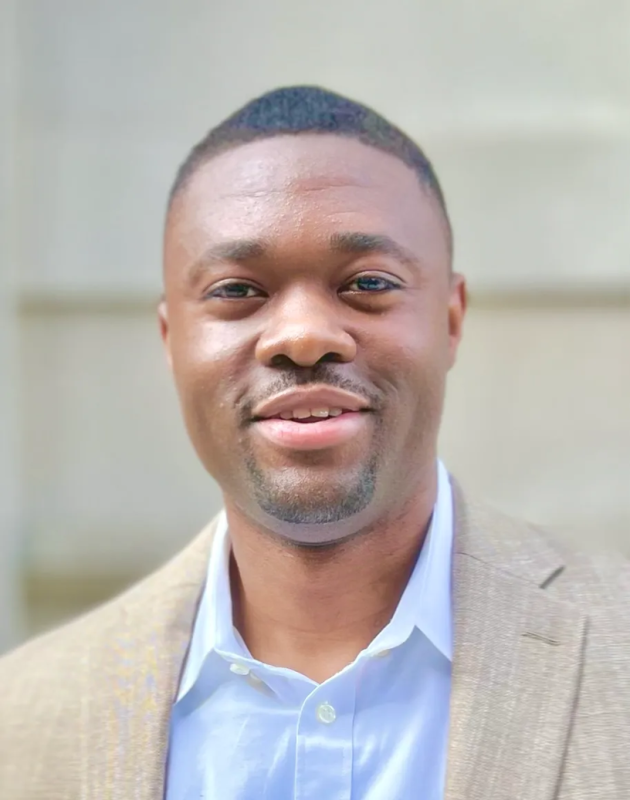
Dr. Yvon Woappi is the Herbert and Florence Irving Assistant Professor of Physiology and Cellular Biophysics, Dermatology, and Biomedical Engineering at Columbia University. His lab combines synthetic biology with spatial multiomics to uncover how cells coordinate across the entire wound response process, a process that fails in hard-to-heal wounds and is co-opted in carcinoma. Dr. Woappi earned his Ph.D from the University of South Carolina as a Grace Jordan McFadden Fellow and completed his postdoctoral training as a K99/R00 fellow in the Dermatology Research Training Program at Harvard Medical School. His current work lays the foundation for synthetic wound regeneration — a systems bioengineering approach that harnesses cellular heterogeneity to direct tissue repair.