Dr. Ford Versypt leads the Systems Biomedicine and Pharmaceutics Lab, which develops and uses multiscale systems engineering approaches including mathematical modeling and computational simulation to enhance understanding of the mechanisms governing tissue remodeling and damage as a result of diseases and infections and to simulate the treatment of those conditions to improve human health. The lab specializes in (a) modeling mass transport of biochemicals through heterogeneous porous materials—primarily extracellular matrices and engineered biomaterials—that change morphology dynamically due to the influence of chemical reactions and (b) modeling dynamic, multi-species biological systems involving chemical, physical, and biological interactions of diverse, heterogeneous cell populations with these materials and the chemical species in tissue microenvironments. In this seminar, vignettes of research will be highlighted from the two of the five organ systems currently under investigation in the lab: lung fibrosis and eye drug delivery. The seminar will conclude with a brief survey of the lab’s broader impacts and educational scholarly work. This work is supported by an NSF CAREER award and NIH NIGMS R35 MIRA and NIBIB R01 grants.
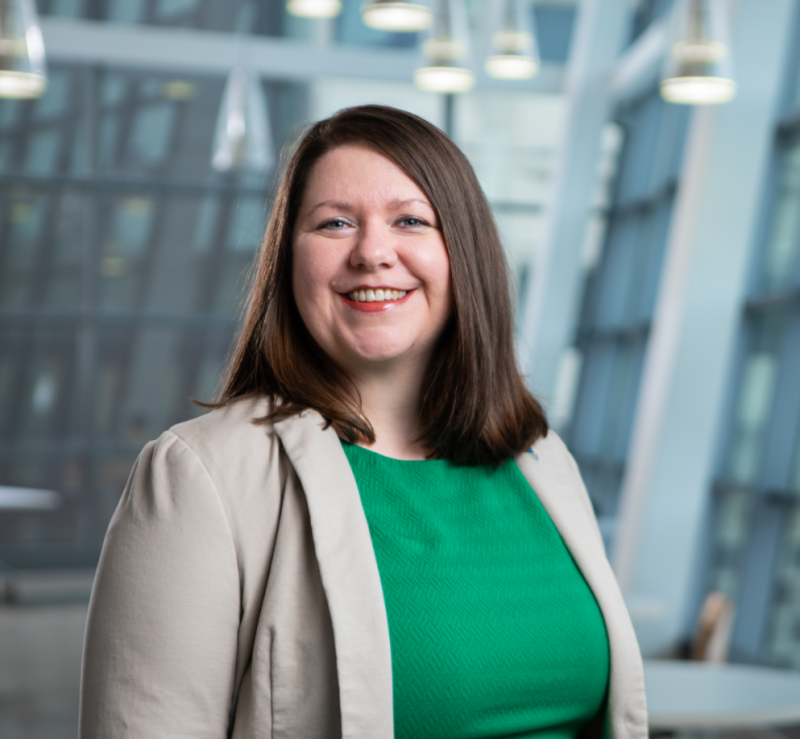
Dr. Ford Versypt earned a B.S. from the University of Oklahoma and an M.S. and a Ph.D. from the University of Illinois, all in Chemical Engineering. She did her postdoc at MIT. She started her academic career at Oklahoma State University before joining the University at Buffalo, The State University of New York. She is a full professor in the Department of Chemical and Biological Engineering and is affiliated with the Departments of Biomedical Engineering, Engineering Education, and Pharmaceutical Sciences and the Institute for Artificial Intelligence and Data Science. Dr. Ford Versypt leads the Systems Biomedicine and Pharmaceutics Laboratory. She has received a number of awards for her research, teaching, and service including the NSF CAREER Award, ASEE Chemical Engineering Division’s Fahien, Martin, and Corcoran Awards, and AIChE CAST Division’s Himmelblau Award. Her research program is funded by the NIH (R35 MIRA, R01, U01, and R21), NSF, and others.